News EBU Conference on ‘Future of Journalism in Gaza’ without representatives of Palestinian media RepublicofPalestine4 days ago
News Human Shields at the Heart of Iran: Mass Mobilization Surrounds Key Infrastructure in Response to U.S. Threats RepublicofPalestine5 days ago
News USPCN stands with Palestinian leader Salah Sarsour and calls for his immediate release RepublicofPalestine7 days ago
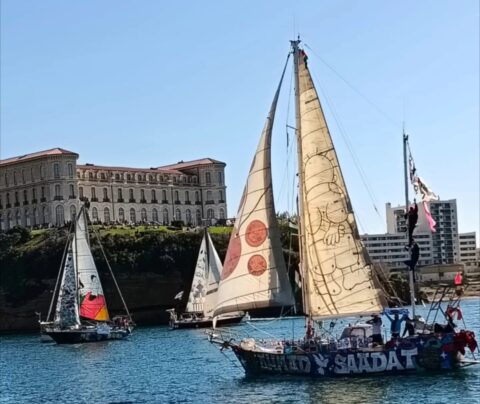
News “Ahmad Sa’adat” Leads the Freedom Flotilla: French Boats Set Sail from Marseille to Break the Gaza Blockade RepublicofPalestine1 week ago
News “A PhD of Confrontation and Resistance” — Three Belgian Universities Honor Francesca Albanese Amid Waves of Support and Controversy RepublicofPalestine1 week ago
Archives The Union of Palestinian Communities and Organizations in Europe Condemns the “Execution of Prisoners” Law and Calls for Urgent Action RepublicofPalestine2 weeks ago
EBU Conference on ‘Future of Journalism in Gaza’ without representatives of Palestinian media 8 April، 2026
Human Shields at the Heart of Iran: Mass Mobilization Surrounds Key Infrastructure in Response to U.S. Threats 7 April، 2026
“Ahmad Sa’adat” Leads the Freedom Flotilla: French Boats Set Sail from Marseille to Break the Gaza Blockade 4 April، 2026
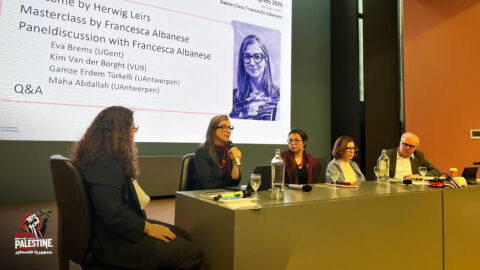
“A PhD of Confrontation and Resistance” — Three Belgian Universities Honor Francesca Albanese Amid Waves of Support and Controversy 3 April، 2026
The Union of Palestinian Communities and Organizations in Europe Condemns the “Execution of Prisoners” Law and Calls for Urgent Action 1 April، 2026
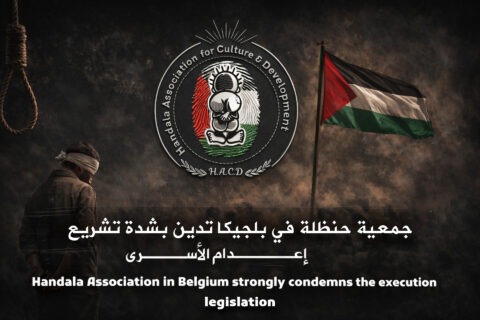
Handala Association in Belgium Condemns Legislation Allowing Execution of Palestinian Prisoners, Calls for International Action 31 March، 2026
Widespread International and Local Condemnation of Israeli Parliament’s Decision to Legalize the Execution of Palestinian Prisoners 31 March، 2026
Union of Palestinian Communities in Europe: Targeting Bisan Adwan aims to silence Palestinian feminist and pro-Palestine solidarity voices 10 March، 2026
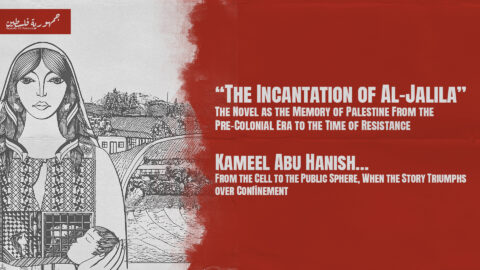
“The Incantation of Al-Jalila”: The Novel as the Memory of Palestine from the Pre-Colonial Era to the Time of Resistance 5 February، 2026
Final Statement Issued by the Sixth Conference of the Union of Palestinian Communities and Institutions in Europe 17 November، 2025
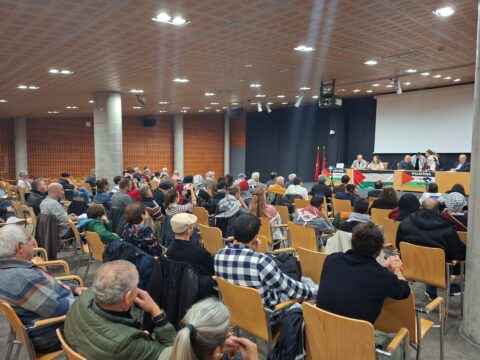
The Sixth Conference of the Union of Palestinian Communities and Institutions was held in Madrid 17 November، 2025
The Palestinian Forum in Madrid expresses solidarity with the Cuban people against the colonial blockade 30 October، 2025
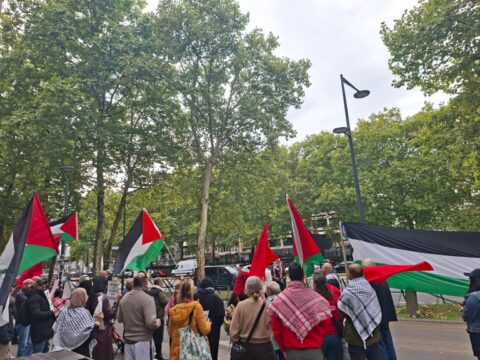
Brussels: Palestinian Institutions and Associations Organize a Protest Outside the U.S. Embassy 25 September، 2025